Airplane in Flight Embroidery Design Review
First Impressions of Airplane in Flight
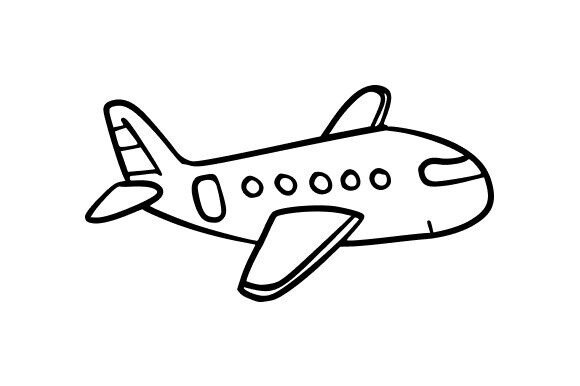
At first glance, Airplane in Flight feels like a breath of fresh air—literally. The minimalist plane icon brings a sense of motion and freedom to any project it's placed on. Its clean lines and simple silhouette give it a modern, versatile look that doesn’t scream for attention but still holds its own in a design context.
The mood it creates is light and adventurous, perfect for projects that want to convey travel, exploration, or even just a touch of whimsy. It’s not overly detailed, which means it won’t overwhelm smaller spaces, but it’s also not too basic to feel cheap or generic. This balance makes it a strong candidate for a variety of embroidery applications.
How Airplane in Flight Performs in Real Embroidery Projects
When I imagine using Airplane in Flight in real-life embroidery situations, my mind immediately jumps to custom apparel. Think of a tote bag with this design stitched along the side—subtle enough to be elegant yet bold enough to stand out. It could also work well as an embroidered patch on a sweatshirt or cap, especially for a boutique line focused on travel themes.
For baby items, the design could be adapted into a cute motif on a onesie or blanket. Just make sure the stitch density is low enough to keep it soft and safe. On the other hand, if you're designing for a commercial product, like a promotional item for an airline or travel brand, this design would add a professional, recognizable touch without being too busy.
I can see it fitting seamlessly into a range of products: from holiday gift tags to personalized gifts. It’s also a solid choice for Etsy sellers or craft fair vendors looking for something unique but not too niche. As a digital embroidery file, it could serve as part of a larger set of design assets for a small shop product line or printable mockups for clients.
Where to Use Airplane in Flight with Caution
While Airplane in Flight is quite adaptable, there are a few scenarios where it might require extra care. For instance, using it on small hoop sizes could lead to loss of detail, especially if the design needs to be scaled down significantly. Textured fabrics or thin materials may also challenge the clarity of the stitching, so testing it on scrap fabric first is always wise.
Stretchy fabrics like knits or jerseys might distort the design unless the right stabilizer is used. Dark-colored fabrics could also pose a problem if the thread colors don’t provide enough contrast. In such cases, considering a black or white version of the design might be necessary to maintain visibility.
Products that need frequent washing, like aprons or pillow covers, should have their stitching tested for durability. If the design has dense areas, it might cause puckering or stiffness, so reviewing the stitch density beforehand is key.
Design Impact and Practical Considerations
Airplane in Flight contributes to visual appeal by adding a subtle focal point without overpowering the rest of the design. Its simplicity allows it to blend well with other elements, making it ideal for handmade products that aim for a cohesive look. Stitching clarity is another plus—it’s easy to see how the design would translate onto fabric, which helps build customer trust when showcasing finished products.
From a business perspective, this design enhances the value of your handmade presentation. Whether it’s a personalized gift or a commercial embroidery project, it adds a level of professionalism that can elevate your brand. For Etsy sellers or small shop owners, it’s a great way to offer something recognizable and universally appealing.
When considering giftability, Airplane in Flight works well as a holiday or wedding gift, especially if paired with complementary design elements. It’s also a good fit for nursery decor or travel-themed merchandise, where recognition and relevance matter.
Embroidery Designer Notes and Tips
If you’re planning to use Airplane in Flight in your next project, here are some practical tips to keep in mind:
- Test on scrap fabric: Always check how the design looks before committing to a final product. This helps catch issues early, like stitch density or color contrast.
- Check thread color contrast: Make sure the chosen thread colors stand out against the fabric background, especially on dark or textured materials.
- Review stitch density: Adjust the design if needed to prevent stiffness or distortion, particularly on stretchy or delicate fabrics.
- Confirm hoop size: Ensure the design fits comfortably within your hoop to avoid stretching or misalignment during stitching.
- Inspect small details: Even though the design is minimalist, small features like wing shapes or tail sections should be clear and defined.
- Test in black and white mockups: This helps evaluate how the design will appear on different fabric types and under various lighting conditions.
- Use proper stabilizer: Especially important for curved surfaces like caps or stretchy fabrics, a good stabilizer prevents puckering and ensures clean stitches.
- Check licensing: Before selling any finished items or digital products, confirm the licensing terms to ensure compliance and avoid legal issues.
Airplane in Flight is a versatile machine embroidery design that can enhance a wide range of handmade and commercial projects. With thoughtful planning and testing, it can become a valuable addition to your design repertoire, helping you create beautiful, functional, and marketable embroidery pieces.